
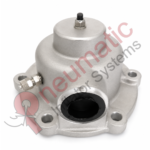
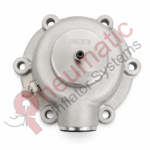
Tamrotor Discharge Valve Replacement – NT0147
Description
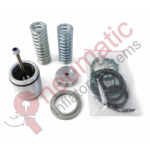
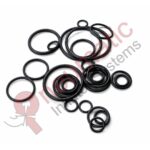
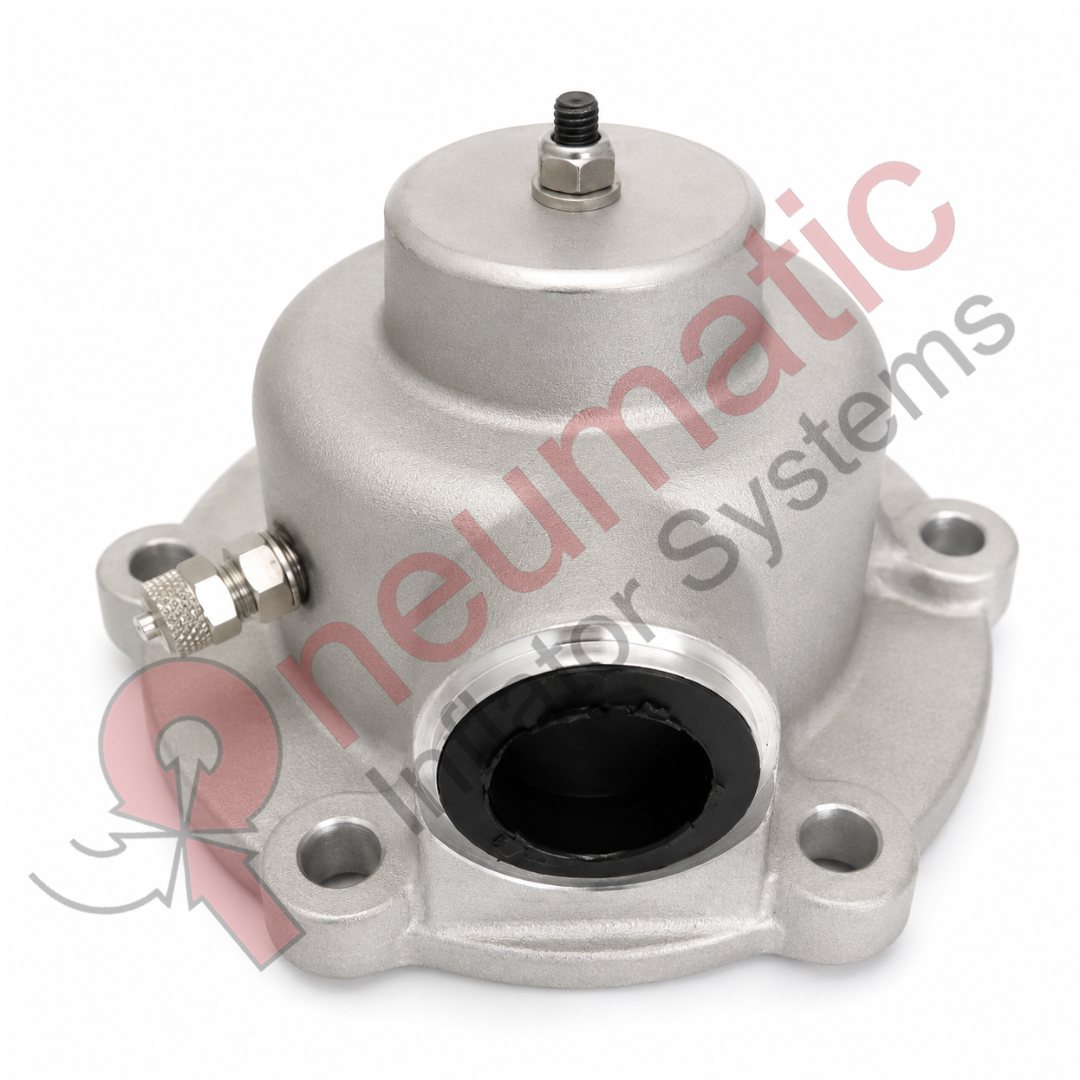
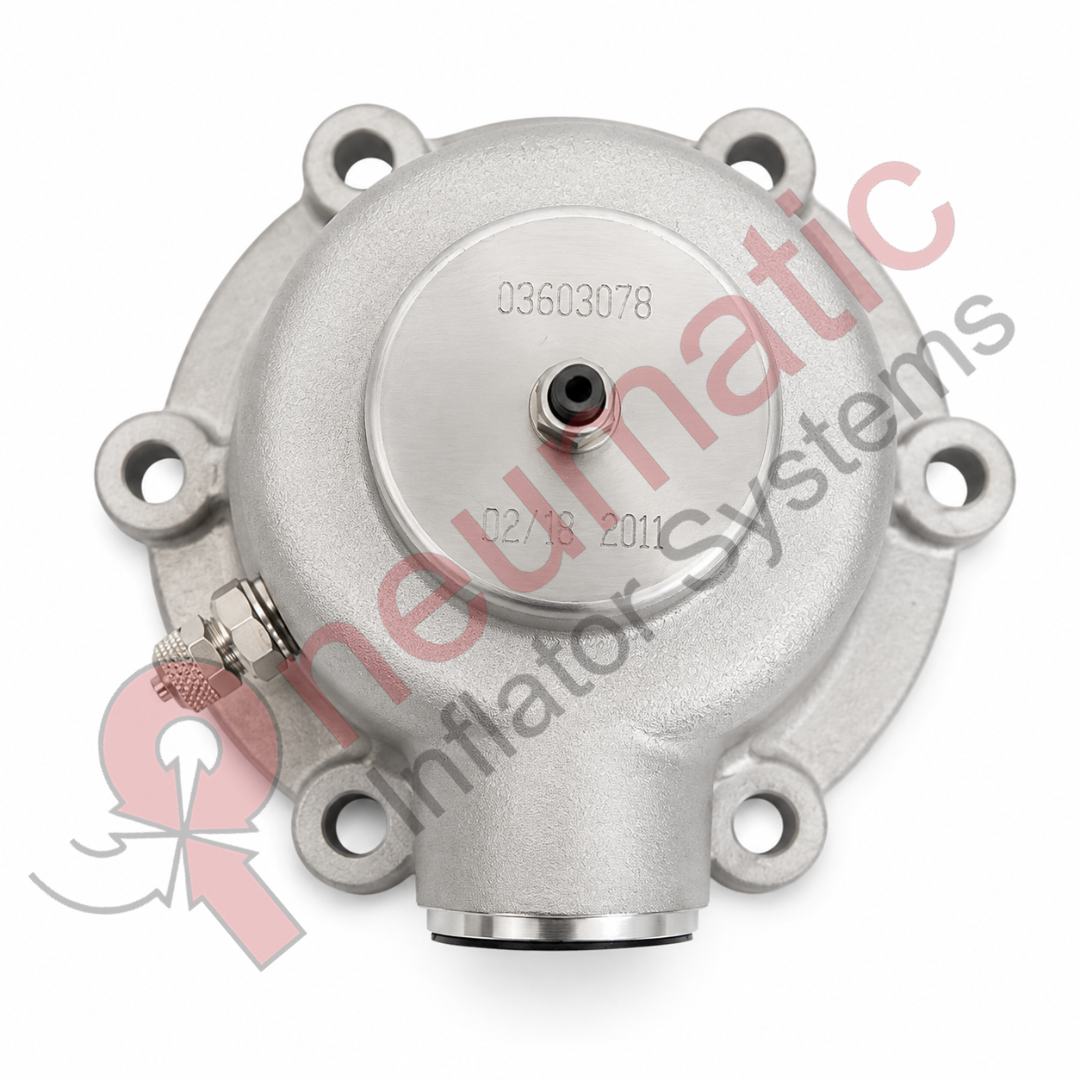
Tamrotor NT0147 – Discharge Valve
The NT0147 is a Tamrotor/TMC Discharge Valve used in applicable TMC screw air compressors. The valve is installed in the compressed-air discharge circuit and controls the movement of compressed air from the compressor toward the downstream air system.
The discharge valve is an important component for maintaining correct compressor pressure, controlling airflow and ensuring stable compressor operation.
Working Process:
During compressor operation, atmospheric air enters the compressor through the inlet system.
The screw compression element compresses the incoming air, increasing its pressure and temperature.
The compressed air then flows toward the discharge section of the compressor.
The NT0147 discharge valve controls the discharge path and allows compressed air to move into the downstream compressed-air system when operating conditions require it.
The valve operates according to the pressure and control conditions of the compressor.
When the compressor is operating under load, the discharge valve permits compressed air to flow toward the receiver or downstream system.
When the compressor unloads, the valve changes position according to the compressor control system, helping control the pressure within the compressor and reduce unwanted airflow.
This allows the compressor to transition between loaded and unloaded operating conditions while maintaining stable pressure control.
Main Functions:
- Controls compressed-air discharge.
- Regulates the discharge path from the compressor.
- Supports compressor loading and unloading.
- Helps maintain stable system pressure.
- Helps prevent unwanted compressed-air leakage.
- Supports efficient compressor operation.
- Protects the compressor discharge circuit.
- Helps maintain reliable compressor performance.
Part Information:
Part Number: NT0147
Brand: Tamrotor / TMC
Description: Discharge Valve
Component Type: Compressor discharge/control valve
Available Tamrotor/TMC parts references list NT0147 specifically as “DISCHARGE VALVE.”
Known application references include:
- TMC 21-8 EANA
- TMC 26-8 EWNA
- TMC 18-8 EANA
Discharge Valve Operating Cycle:
- Air Intake: Atmospheric air enters the compressor.
- Compression: The screw element compresses the air.
- Pressure Increase: Compressed-air pressure rises.
- Discharge Flow: Compressed air reaches the discharge valve.
- Valve Opening/Control: The valve permits the required discharge flow.
- Downstream Delivery: Compressed air flows toward the receiver or air network.
- Unloading: When air demand is satisfied, the control system changes the valve condition.
- Pressure Control: The compressor reduces or controls discharge flow during unloading.
- Reloading: When system pressure falls, the compressor returns to loaded operation.
- Continuous Cycle: The valve continues to operate according to compressor demand.
Importance of the Discharge Valve:
The discharge valve must maintain proper sealing and movement to ensure efficient compressor operation.
A damaged or worn discharge valve can cause:
- Compressed-air leakage.
- Incorrect discharge pressure.
- Unstable pressure.
- Poor loading/unloading.
- Increased energy consumption.
- Reduced compressor capacity.
- Increased operating temperature.
- Difficulty maintaining receiver pressure.
Possible Failure Conditions:
The discharge valve can deteriorate because of:
- Normal mechanical wear.
- High operating temperature.
- Pressure cycling.
- Contamination.
- Damaged sealing surfaces.
- Worn moving components.
- Incorrect assembly.
- Corrosion.
- Excessive internal clearance.
- Deteriorated seals.
Possible symptoms include:
- Air leakage from the discharge circuit.
- Compressor pressure instability.
- Compressor running continuously.
- Incorrect unloading.
- Slow pressure build-up.
- Increased power consumption.
- Reduced compressed-air capacity.
- Abnormal compressor operation.
Maintenance Procedure:
Before servicing the discharge valve, shut down the compressor according to the applicable Tamrotor/TMC service procedure.
Isolate the electrical supply.
Depressurize the compressor completely and verify that no stored pressure remains.
Allow the compressor to cool to a safe working temperature.
Remove the discharge valve according to the applicable service procedure.
Inspect the valve for:
- Wear.
- Contamination.
- Corrosion.
- Damaged sealing surfaces.
- Damaged moving components.
- Excessive internal clearance.
- Leakage marks.
Clean the applicable mating surfaces and inspect the valve before reinstallation.
If the valve is serviceable, reinstall it using the correct assembly procedure.
If seals or internal components require replacement, use the applicable Tamrotor/TMC repair kit or replacement components specified for the particular compressor model.
Ensure:
- Valve components are correctly positioned.
- Sealing surfaces are clean.
- Seals are not damaged.
- Moving components operate freely.
- Connections are correctly secured.
- Correct tightening procedures are followed.
After installation, perform the applicable leak and functional checks.
Restart the compressor and monitor:
- Discharge pressure.
- Loading operation.
- Unloading operation.
- Air leakage.
- Compressor temperature.
- Pressure stability.
- Overall compressor performance.
Service Benefits:
Maintaining the NT0147 Discharge Valve properly helps:
- Maintain reliable compressed-air discharge.
- Restore pressure control.
- Reduce compressed-air leakage.
- Improve loading/unloading performance.
- Support efficient compressor operation.
- Reduce unnecessary energy consumption.
- Improve compressor reliability.
- Reduce the risk of unexpected downtime.
Technical Summary:
Part Number: NT0147
Brand: Tamrotor / TMC
Description: Discharge Valve
Component Type: Compressor discharge/control valve
Primary Function: Controls compressed-air discharge from the compressor
Operating Function: Regulates discharge flow according to compressor operating conditions
Known Applications: TMC 21-8 EANA, TMC 26-8 EWNA, TMC 18-8 EANA
Main Benefits: Stable discharge pressure, controlled loading/unloading, reduced leakage and reliable compressor operation.
Disclaimer: All manufacturer names, trademarks, model numbers, and part numbers are used solely for identification and compatibility purposes. Our products are high-quality aftermarket replacement products and are not manufactured, sponsored, endorsed, or authorized by the original equipment manufacturer (OEM). All trademarks remain the property of their respective owners.

Reviews
Clear filtersThere are no reviews yet.