
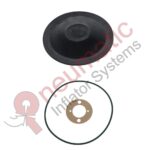
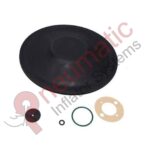
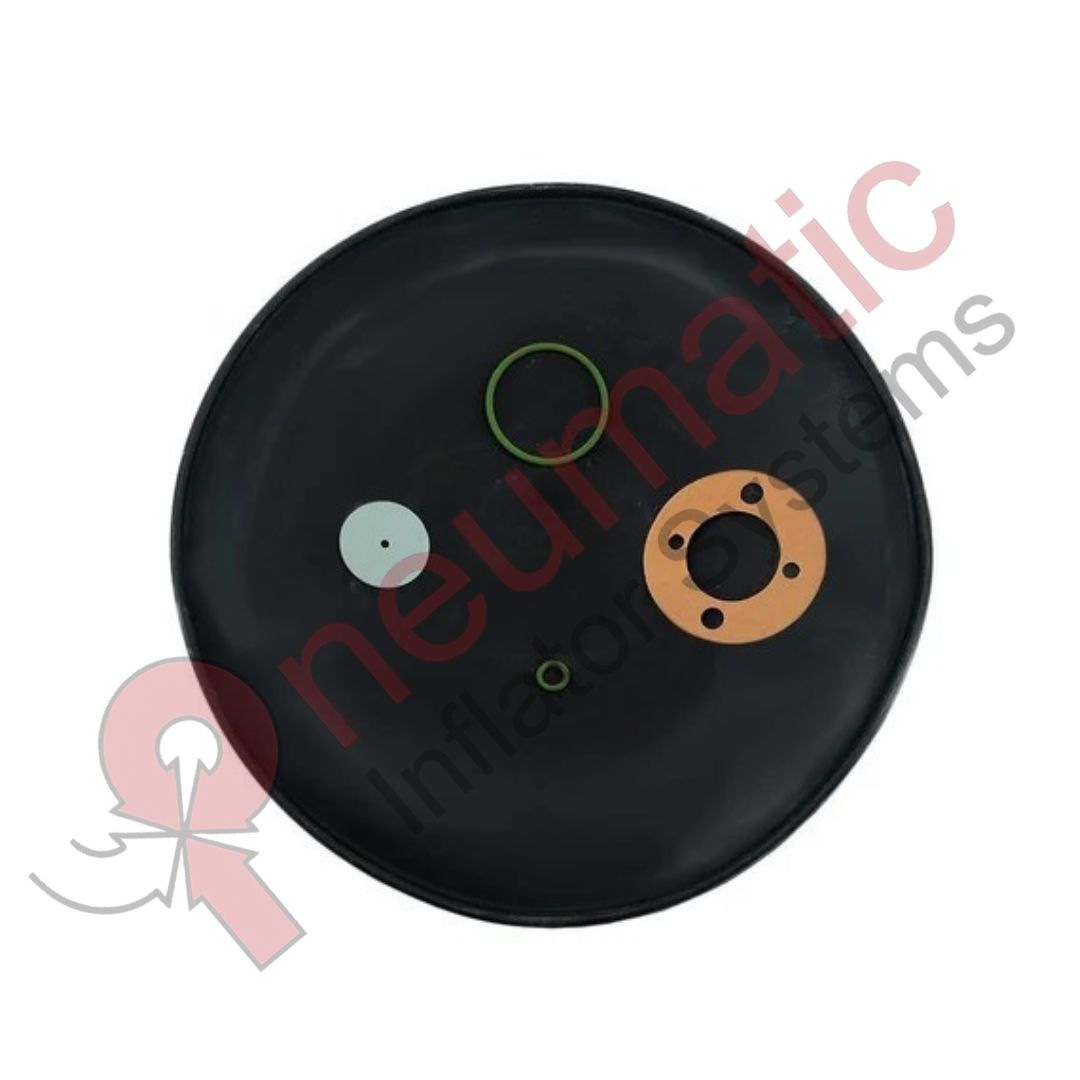
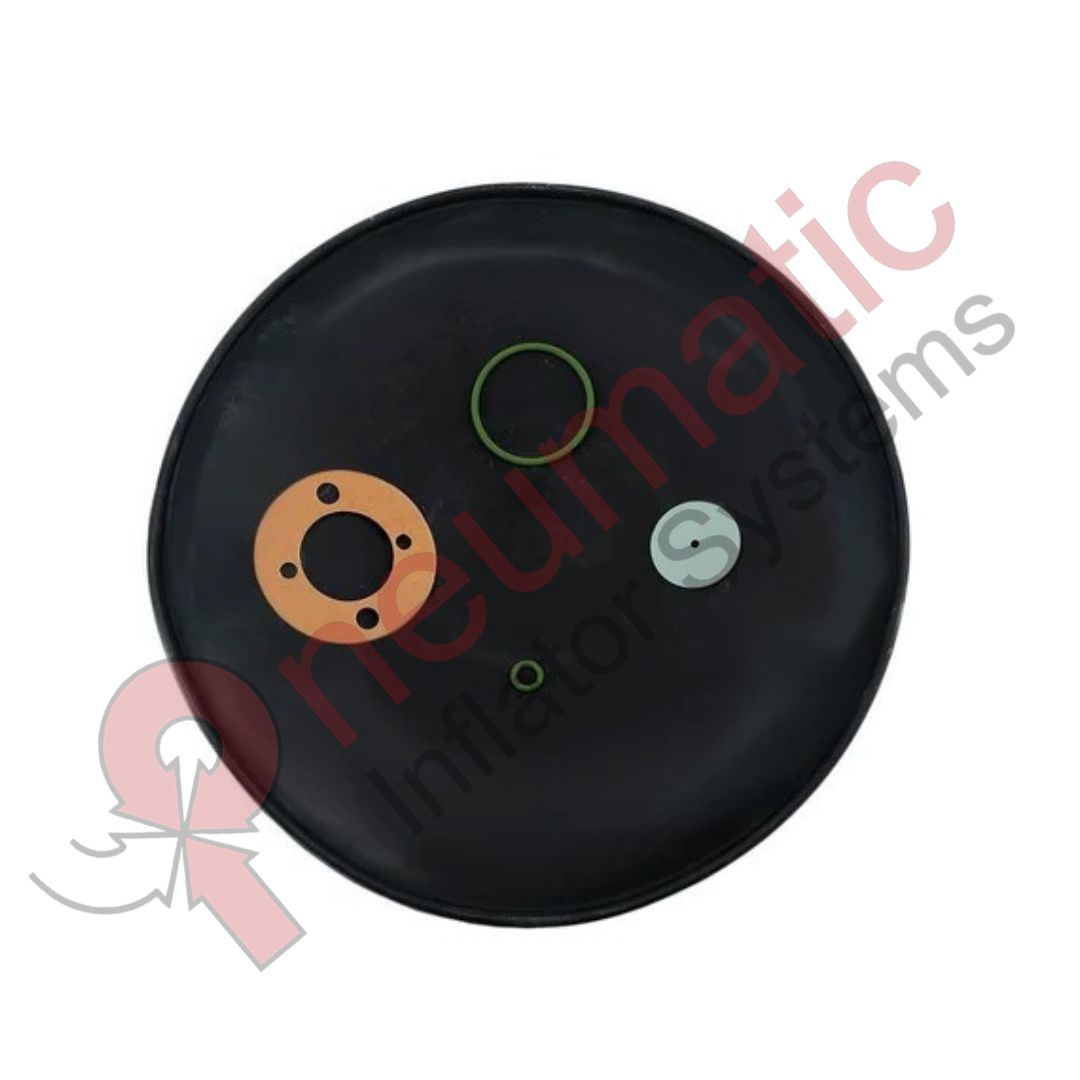
Atlas Copco Inlet Valve Kit for ZR/ZT Oil-Free Compressors Replacement – 2906037500
Description
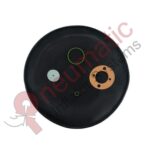
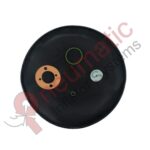
Atlas Copco 2906037500 – Inlet Valve Kit for ZR/ZT Oil-Free Compressors
The Atlas Copco 2906037500 (2906-0375-00) is an Inlet Valve Kit designed for compatible ZR/ZT oil-free screw compressors, specifically associated with the ZR/ZT 110–145 compressor range.
The inlet valve is an important component of the compressor’s air-intake and capacity-control system. It regulates the amount of atmospheric air entering the compressor element according to the compressor’s operating requirement.
Atlas Copco’s official catalog lists the kit weight as 185 g and identifies the kit components as:
- Membrane – 1 pc
- Diaphragm – 1 pc
The membrane and diaphragm work as flexible pneumatic-control elements within the inlet-valve assembly, allowing control pressure to operate the valve correctly.
Working Process:
During normal operation, atmospheric air enters the compressor through the inlet system.
The inlet valve controls the quantity of air that is allowed to enter the compressor element. When the compressor is required to produce compressed air, the control system positions the inlet valve toward its operating/open position.
This permits atmospheric air to enter the compression element, where the air is compressed and subsequently delivered through the compressor system.
When the compressor reaches the required operating condition or the control system requests reduced capacity, the inlet-valve control circuit changes the valve position.
The inlet valve restricts the incoming airflow. This reduces the quantity of air entering the compressor element and consequently reduces compressor output.
When compressed-air demand increases again, the control system changes the pneumatic signal to the inlet valve.
The membrane and diaphragm respond to the change in control pressure, causing the valve mechanism to move toward the required operating position.
The inlet valve then permits increased airflow into the compressor element, restoring the required compressor capacity.
This automatic regulation of inlet airflow allows the compressor to match its output to changing system demand.
Main Functions:
- Controls compressor inlet-air flow.
- Regulates compressor capacity.
- Supports loading and unloading.
- Responds to pneumatic control signals.
- Helps maintain stable compressor operation.
- Reduces unnecessary air intake during reduced-load conditions.
- Supports efficient operation of the ZR/ZT compressor.
- Restores inlet-valve control performance during maintenance.
Operating Cycle:
- Start-up: The inlet-valve system is placed in the required starting condition.
- Air Intake: Atmospheric air enters the compressor inlet.
- Loading: The inlet valve permits the required amount of air into the compressor element.
- Compression: The compressor element compresses the incoming air.
- Capacity Control: The compressor control system monitors operating conditions.
- Capacity Reduction: The inlet valve moves toward a restricted position when less air is required.
- Reduced Air Intake: Less air enters the compressor element.
- Demand Increase: The control system requests additional compressor capacity.
- Pneumatic Actuation: Control pressure acts on the membrane and diaphragm.
- Valve Reopening: The inlet valve moves toward its operating position.
- Normal Production: Increased airflow enters the compressor element and compressor output is restored.
The process is automatically controlled according to compressor operating conditions.
Role of the Membrane:
The membrane is a flexible pneumatic-control component within the inlet-valve assembly.
Changes in control pressure act on the membrane and produce the mechanical movement required to operate the valve.
The membrane must remain flexible and correctly seated to provide accurate valve response.
A damaged, cracked, hardened or deformed membrane can cause incorrect valve movement and poor compressor capacity control.
Role of the Diaphragm:
The diaphragm works as another flexible sealing and actuation element in the valve-control mechanism.
It responds to pneumatic pressure changes and helps transfer the control signal to the valve mechanism.
A damaged diaphragm can cause pneumatic leakage, delayed response or incomplete valve movement.
Correct diaphragm installation is therefore essential for reliable inlet-valve operation.
Importance of Inlet-Valve Control:
The inlet valve directly influences compressor capacity.
If the valve opens correctly, the compressor receives the required amount of atmospheric air and can produce the expected output.
If the valve restricts airflow correctly during reduced-capacity operation, unnecessary compression is minimized.
If the valve remains too open, the compressor may continue processing more air than required.
If the valve remains too restricted, compressor air delivery can fall below the required level.
Possible Failure Conditions:
Over time, the membrane and diaphragm can deteriorate due to repeated movement, pressure cycling, contamination and normal material aging.
Possible failure conditions include:
- Damaged membrane
- Cracked or hardened diaphragm
- Pneumatic leakage
- Incorrect valve response
- Valve sticking
- Restricted valve movement
- Incorrect inlet-air control
- Delayed loading response
- Incomplete valve opening
- Incomplete valve closing
Typical compressor symptoms may include:
- Compressor fails to load correctly.
- Compressor fails to unload or reduce capacity correctly.
- Reduced air delivery.
- Slow pressure build-up.
- Unstable compressor operation.
- Incorrect compressor capacity.
- Excessive air consumption.
- Abnormal load/unload or capacity-control cycling.
- Pneumatic control leakage.
Maintenance Procedure:
Before servicing the inlet valve, the compressor must be stopped, electrically isolated and completely depressurized according to the applicable Atlas Copco safety procedure.
Inspect the inlet-valve assembly for:
- Membrane damage
- Diaphragm deterioration
- Pneumatic leakage
- Contamination
- Mechanical wear
- Restricted movement
- Incorrect valve response
Remove the existing service components carefully without damaging the valve housing or sealing surfaces.
Install the 2906037500 Inlet Valve Kit according to the applicable Atlas Copco service instructions.
Clean the mating and sealing surfaces before assembly.
Install the membrane and diaphragm in their correct positions and orientation.
Ensure that neither component is folded, twisted, cut or damaged during installation.
Check the valve mechanism for smooth and unrestricted movement.
After assembly, restart the compressor and monitor its operation through multiple capacity-control cycles.
Verify that:
- The inlet valve responds correctly to control-pressure changes.
- The compressor loads correctly.
- The compressor reduces capacity correctly.
- Air delivery is normal.
- Operating pressure remains stable.
- No abnormal pneumatic leakage is present.
- Valve movement is smooth.
A properly serviced inlet valve provides reliable control of airflow entering the compressor element and supports efficient operation of the ZR/ZT 110–145 oil-free compressor range.
Using the Atlas Copco 2906037500 Inlet Valve Kit during appropriate maintenance helps restore the membrane, diaphragm, sealing and pneumatic-control performance of the inlet-valve assembly.
Part Number: 2906037500
Alternative Number: 2906-0375-00 / 2906 0375 00
Brand: Atlas Copco
Official Description: Inlet Valve Kit
Application: ZR/ZT oil-free screw compressors
Known Application: ZR/ZT 110–145
Official Listed Weight: 185 g
Main Components: Membrane and diaphragm
Component Type: Inlet valve service/repair kit
Primary Function: Controls airflow entering the compressor element
Secondary Function: Supports compressor capacity and loading/unloading control
Operating Function: Uses pneumatic control to regulate inlet airflow
Main Benefits: Reliable inlet-air control, stable compressor capacity, improved pneumatic sealing, correct valve response and dependable compressor operation.
Disclaimer: All manufacturer names, trademarks, model numbers, and part numbers are used solely for identification and compatibility purposes. Our products are high-quality aftermarket replacement products and are not manufactured, sponsored, endorsed, or authorized by the original equipment manufacturer (OEM). All trademarks remain the property of their respective owners.

Reviews
Clear filtersThere are no reviews yet.