
Atlas Copco Inlet Valve GA90VSD Kit Replacement – 2901030200
Description
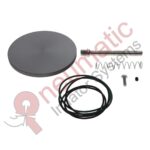
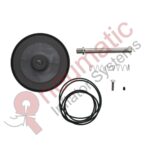
Atlas Copco 2901030200 – Inlet Valve GA90VSD Kit
The Atlas Copco 2901030200 (2901-0302-00) is an Inlet Valve Kit for GA90VSD oil-injected screw compressors. The inlet valve controls the quantity of atmospheric air entering the compressor element and plays an important role in compressor loading, unloading, capacity control and energy efficiency.
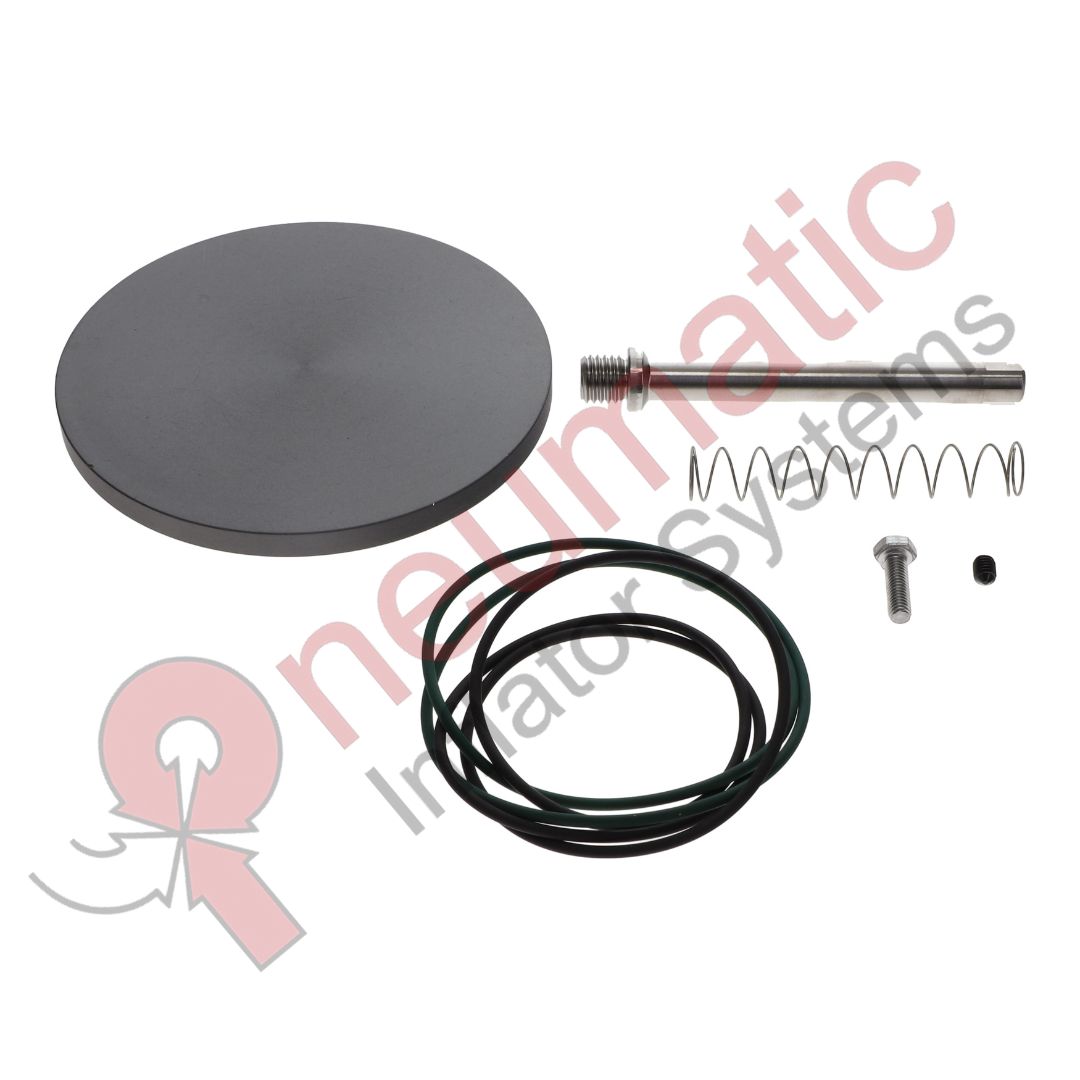
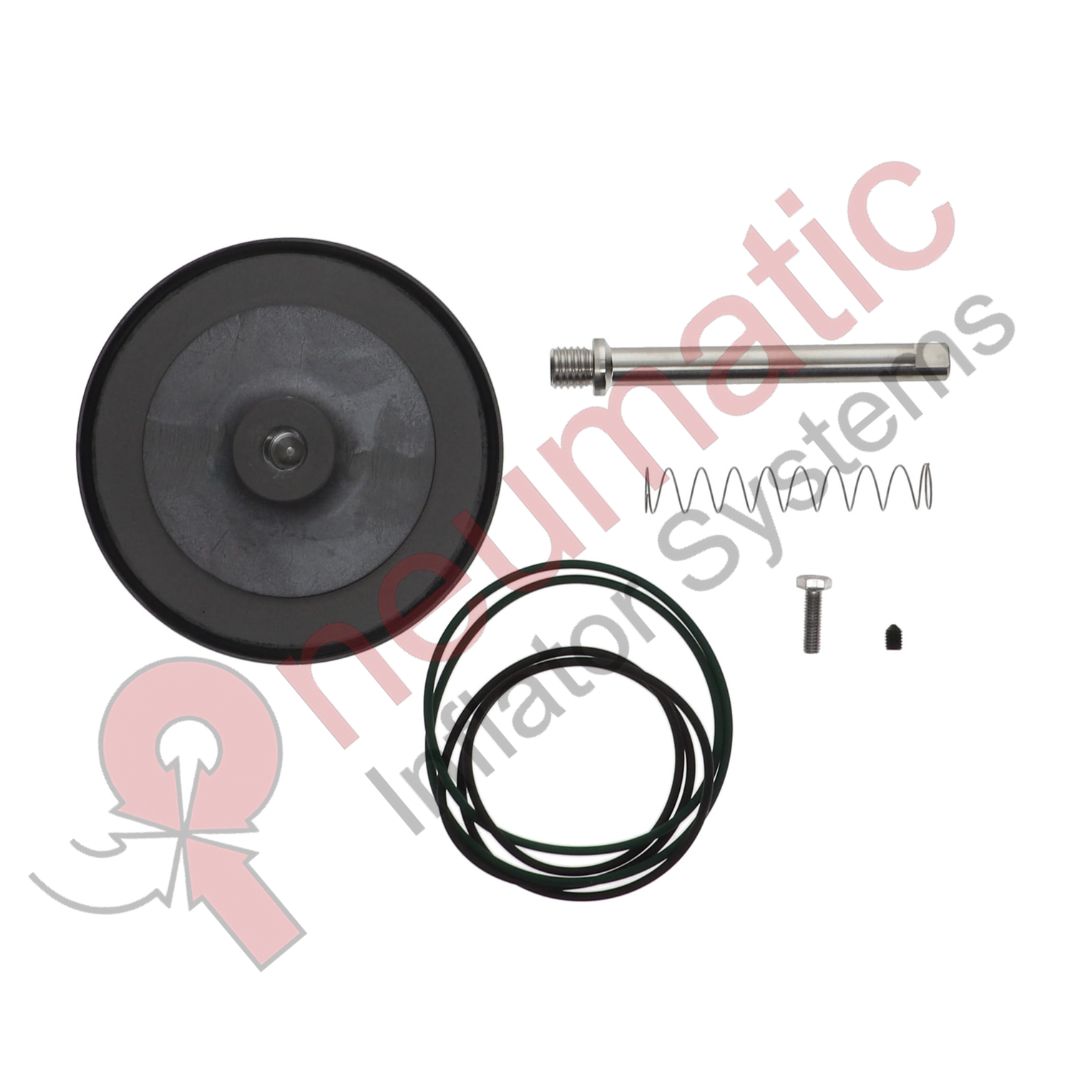
Atlas Copco officially lists the product as “INLET VALVE GA90VSD” with a weight of 562 g. The official component list includes the inlet valve, valve spindle, spring, O-rings, set screw, hex-head screw and C146 inlet-valve instructions.
Working Process:
During compressor operation, atmospheric air enters through the compressor’s inlet system. The inlet valve regulates this air before it reaches the screw compressor element.
When compressed air is required, the compressor controller commands the inlet valve toward the open position. This allows atmospheric air to enter the compression element.
The screw element then compresses the incoming air and delivers the compressed air into the compressor’s air/oil separation system.
As the compressed-air network reaches the required pressure, the compressor control system initiates an unloading or capacity-control condition.
The inlet valve moves toward the closed or restricted position, reducing the amount of atmospheric air entering the compressor element.
This reduces or stops effective compression and prevents the compressor from producing unnecessary compressed air.
When system pressure falls because of downstream air consumption, the controller commands the inlet valve to open again.
The compressor then returns to loaded operation and resumes compressed-air production.
This controlled inlet-air process allows the compressor to match air production with demand while reducing unnecessary energy consumption.
Official Components:
Atlas Copco lists the following components for 2901030200:
- C146 Inlet Valve Instructions – 1 pc
- Spring – 1 pc
- O-ring 215 × 3 – 1 pc
- Set Screw M6 × 8 Steel – 1 pc
- O-ring 179 × 3 – 1 pc
- Hex Head Screw M6 × 20 – 1 pc
- Valve Spindle – 1 pc
- Inlet Valve – 1 pc
The inlet valve is the main flow-control component. It regulates the volume of atmospheric air entering the compressor element.
The valve spindle transfers mechanical movement to the valve and ensures that the valve can move between its operating positions.
The spring provides the required return or closing force.
The O-rings provide airtight sealing between the valve assembly and its mating surfaces. Proper sealing is essential because leakage through the inlet valve can cause the compressor to continue drawing air during unloading.
The set screw and hex-head screw secure the relevant components and maintain the correct mechanical assembly.
Operating Cycle:
- Start-up: The inlet valve is placed in its controlled starting position.
- Loading: The valve opens to allow atmospheric air into the compressor element.
- Compression: The screw element compresses the incoming air.
- Pressure Build-up: The compressor raises system pressure to the required operating level.
- Unloading: The controller commands the inlet valve toward the closed/restricted position.
- Reduced Intake: Air entering the compressor element is reduced.
- Pressure Drop: Downstream air consumption lowers system pressure.
- Reloading: The controller opens the inlet valve again.
- Normal Operation: The compressor resumes air production.
This cycle is repeated automatically according to compressed-air demand.
Importance of the Inlet Valve:
The inlet valve can have a significant effect on compressor efficiency.
If the valve does not close correctly during unloading, atmospheric air may continue entering the compressor element. The compressor may then continue consuming power unnecessarily.
If the valve does not open correctly during loading, insufficient air may enter the compressor element, reducing compressor capacity and increasing the time required to reach operating pressure.
Correct inlet-valve movement is therefore important for:
- Air delivery
- Pressure stability
- Energy efficiency
- Loading/unloading response
- Compressor reliability
- Controlled compressor capacity
Possible Failure Conditions:
After prolonged operation, the inlet valve can experience contamination, seal deterioration, spring fatigue, spindle wear or mechanical sticking.
A damaged O-ring may allow air leakage around the valve.
A worn or damaged valve spindle can prevent smooth valve movement.
A weak or damaged spring can affect the valve’s normal return position.
If the inlet valve remains partially open during unloading, the compressor may continue drawing air and consume excessive power.
If the valve remains too closed during loading, compressor air delivery may be reduced.
Typical symptoms can include:
- Compressor fails to load correctly
- Compressor fails to unload correctly
- Reduced air delivery
- Slow pressure build-up
- Excessive power consumption during unloading
- Unstable compressor pressure
- Inlet-air leakage
- Valve sticking
- Delayed load/unload response
Maintenance Procedure:
Before servicing the inlet valve, the compressor must be stopped, electrically isolated and completely depressurized according to the applicable Atlas Copco safety procedure.
The inlet valve assembly should be inspected for:
- Damaged O-rings
- Valve contamination
- Spindle wear
- Damaged valve surfaces
- Weak or damaged spring
- Loose fasteners
- Restricted valve movement
- Air leakage
The existing valve components should be removed carefully without damaging the valve housing or mating surfaces.
The 2901030200 inlet valve kit should be installed according to the applicable Atlas Copco service instructions.
All sealing surfaces must be clean before assembly.
The O-rings must be installed without twisting, cutting, overstretching or pinching.
The valve spindle should be correctly positioned and checked for smooth movement.
The spring must be installed in its specified position.
The set screw and hex-head screw must be correctly installed and secured.
After assembly, the inlet valve should be manually or mechanically checked for free movement according to the applicable service procedure.
The compressor should then be restarted and observed through several load/unload cycles.
The technician should verify that:
- The inlet valve opens correctly during loading.
- The valve closes/restricts correctly during unloading.
- Compressor pressure builds normally.
- Air delivery is within the expected operating range.
- No abnormal air leakage occurs.
- The compressor transitions smoothly between loaded and unloaded conditions.
A properly functioning inlet valve ensures controlled compressor air intake and helps the compressor match its output to the actual compressed-air demand.
Using the Atlas Copco 2901030200 Inlet Valve Kit during appropriate maintenance helps restore valve sealing, spindle movement, inlet-air control and reliable compressor loading/unloading.
Part Number: 2901030200
Alternative Number: 2901-0302-00 / 2901 0302 00
Brand: Atlas Copco
Official Description: INLET VALVE GA90VSD
Part Type: Inlet Valve Kit
Application: GA90VSD oil-injected screw compressor
Official Listed Weight: 562 g
Main Components: Inlet valve, valve spindle, spring, O-rings, set screw, hex-head screw and instructions
Primary Function: Controls atmospheric air entering the compressor element
Secondary Function: Supports compressor loading/unloading and capacity control
Operating Function: Opens during loading and restricts/closes during unloading according to the compressor control system
Main Benefits: Controlled air intake, stable pressure, efficient loading/unloading, reduced unnecessary power consumption and reliable compressor operation.
Disclaimer: All manufacturer names, trademarks, model numbers, and part numbers are used solely for identification and compatibility purposes. Our products are high-quality aftermarket replacement products and are not manufactured, sponsored, endorsed, or authorized by the original equipment manufacturer (OEM). All trademarks remain the property of their respective owners.

Reviews
Clear filtersThere are no reviews yet.